
Vietnam launches project to elevate robusta coffee’s global standing
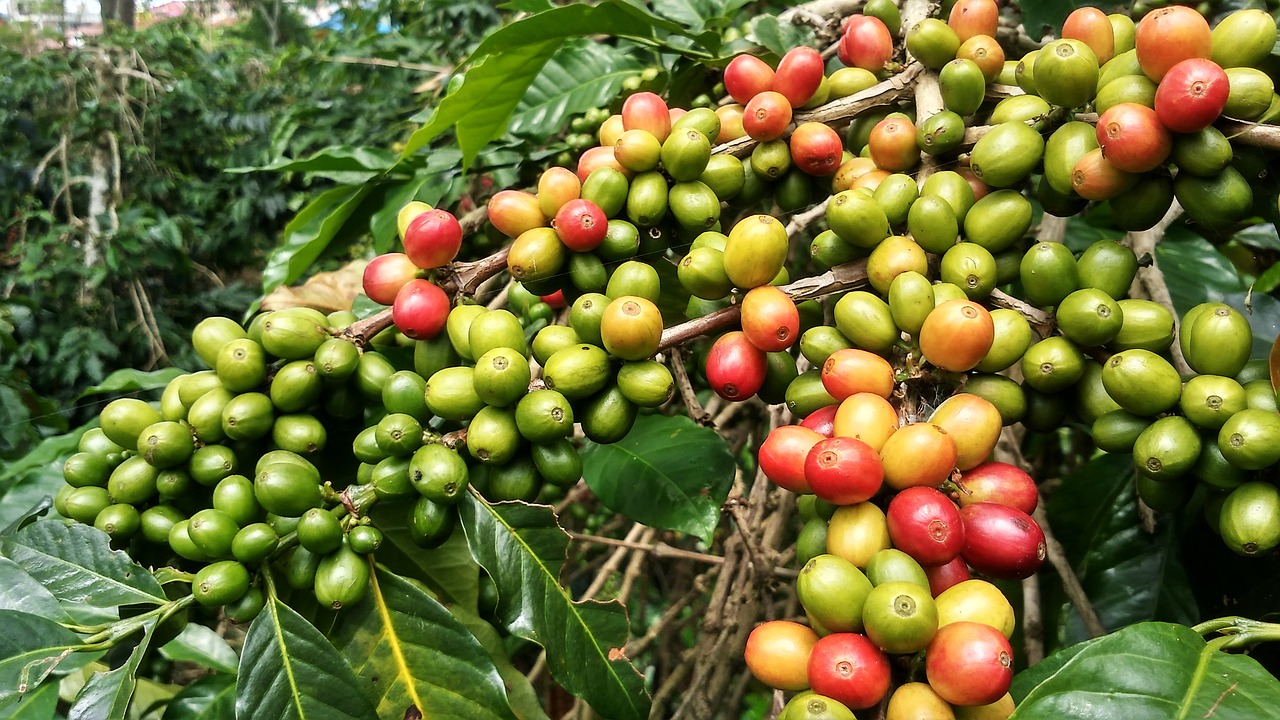
Vietnam is the world's leading producer of Robusta coffee. Photo Needpix
Khao Sok National Park
Explore The Cheow Lan Lake, enjoy canoeing and Bamboo Rafting, take a bath with elephants, ride ATVs and practice rafting, all with licensed English Speaking Guides.
Discover Khao Sok Lake Tours →LAM DONG, Vietnam – A new initiative unveiled in July in Vietnam’s Central Highlands aims to transform the country’s robusta coffee sector from a raw-material supplier into a globally recognized brand of quality and value. The project, titled ‘Elevating Vietnam’s robusta coffee,’ was announced by Tuoi Tre Online in partnership with the Ministry of Agriculture and Environment and the Lam Dong provincial administration, marking a concerted push to reposition one of the nation’s most vital agricultural commodities.
HCMC Metro Line 1 Officially Launches Commercial Passenger Service Across 14 Stations
The launch event, held in Lam Dong Province, featured a seminar titled ‘Improving Vietnam’s robusta coffee from the ground up,’ which drew together government officials, industry experts, and farmers to address the long-standing gap between production volume and market value. Speaking at the ceremony, Tran Xuan Toan, deputy general director of the Ho Chi Minh City Press and Radio-Television Agency and editor-in-chief of Tuoi Tre Online, underscored the stark disparity in earnings between unprocessed beans and finished products. He noted that one kilogram of coffee sold as raw material commands a price entirely different from one kilogram marketed with a story of quality and origin, pointing out that despite Vietnam’s perennial leadership in robusta acreage, output, and exports, most beans leave the country as anonymous inputs for international roasters. Toan observed that while a handful of domestic brands have gained visibility in recent years, their scale and market penetration remain limited, a shortfall that prompted the tripartite collaboration behind the new project.
The initiative is structured as a long-term program rather than a fleeting media campaign, designed to forge durable links among all players in the coffee value chain, from government agencies and research scientists to input suppliers, fertilizer producers, traders, exporters, and the farmers who tend the trees. Organizers have outlined a broad slate of activities, including in-depth media coverage, workshops, contests, product promotion, and trade facilitation, all aimed at weaving a cohesive narrative around Vietnamese robusta. Toan stressed that meaningful progress hinges on collective effort, asserting that only through the joint action of state bodies, private enterprises, experts, and growers can the country build a resilient and prestigious position for its robusta. He highlighted the critical role of farmers at the seminar, noting that those who work the land possess intimate knowledge of soil conditions, weather variability, production costs, cultivation techniques, and market hurdles, ensuring that policy discussions remain grounded and avoid impractical prescriptions.
The organizers expressed optimism that the project would attract broader participation from companies involved in seed production, agricultural inputs, fertilizers, purchasing, processing, roasting, and export, viewing such engagement as essential to creating a sustained platform for sharing successful practices, identifying obstacles, and implementing workable solutions. Thai Nhu Hiep, vice-chairman of the Vietnam Coffee Cocoa Association (VICOFA), reinforced this direction by calling for a strategic pivot away from volume-driven competition toward quality-centered approaches. Hiep urged the industry to sell quality rather than quantity and value rather than sweat, a sentiment that echoed the seminar’s broader focus on restructuring the robusta sector through improved varieties, advanced farming techniques, and sustainable practices to meet increasingly stringent market standards and adapt to climate shifts.
The Elegance of Ao Dai: Vibrant Silk Garments at the Annual Saigon Ao Dai Festival
According to VICOFA data, Vietnam maintained over 720,000 hectares of coffee in 2023, with robusta constituting approximately 95 percent of that area. In the 2024-25 crop year, the country exported more than 1.5 million metric tons of coffee, generating over 8.4 billion U.S. dollars in revenue, with recent price rises enabling many farmers to reinvest in seeds, nutrition, irrigation, and farm upgrades. A key highlight of the seminar was the discussion on building sustainable linkages across production, processing, and distribution networks to sharpen competitiveness, with participants examining models that integrate quality control from the field to the final cup. Earlier on the day of the launch, government officials, experts, and business representatives conducted a field visit to Binh Dong Farm, a high-quality coffee plantation in Lam Dong, to observe firsthand the practices and innovations that could serve as benchmarks for the industry’s future. The project’s backers expressed confidence that sustained collaboration among all stakeholders would gradually elevate Vietnam’s robusta from a bulk commodity to a distinguished origin in the global coffee consciousness.